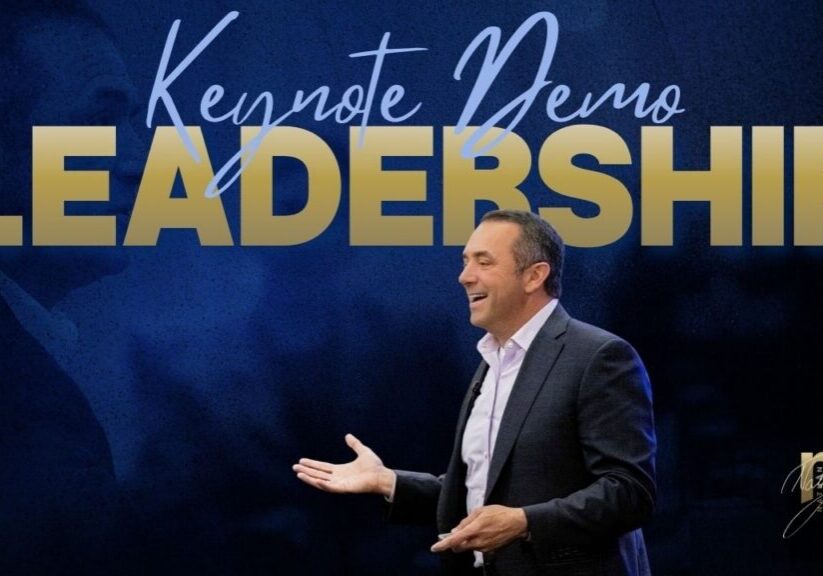
Ask any sales leader keynote speaker what kills a sales team from the inside, and mediocrity will be near the top of the list every single time. Not a bad economy. Not a tough quarter. Mediocrity – the slow, mostly quiet acceptance of “good enough” – because it is comfortable and confrontation is not.
Here is the problem usually: mediocrity does not announce itself. It does not show up in a headline or blow up your pipeline overnight. It shows up as the rep who has missed quota six months running but still has a seat at the table. It shows up as the manager who lets “I did my best” pass as an answer. And little by little, it becomes the new normal.
I have spent years on stages and in sales huddles telling leaders a hard truth they don’t want to hear: what you tolerate, you promote. Let us talk about what mediocrity is actually costing you, and what to do about it.
What Mediocrity Actually Costs You
Most leaders think the cost of a mediocre performer is whatever number is missing from that person’s forecast. That is the smallest part of the bill.
The real cost shows up in three places:
Your top performers notice first. Your best people are watching how you handle the worst behavior on the team. When they see low effort go unaddressed month after month, they start asking why they are grinding so hard. Eventually they stop asking and start updating their resume.
Your culture absorbs the standard, not the slogan. You can print “excellence” on the wall all day long. Your team does not believe the poster. They believe what gets coached, what gets called out, and what gets quietly ignored.
Sadly, your customers feel it before your CFO does. A mediocre rep does not just miss numbers. They deliver a mediocre experience, and customers remember mediocre a lot longer than they remember a discount.
“Mediocrity is not a performance problem. It is a leadership decision, made every day you choose comfort over a hard conversation.” – Nathan Jamail
Why Good Leaders Let Mediocrity Slide
I do not meet many leaders who want a mediocre team. I meet plenty who are afraid of what it takes to fix one.
It usually comes down to three excuses I hear on repeat:
“They are a nice person.” Nice and effective are not the same thing, and your team knows the difference even when you pretend not to.
“I do not have time to replace them.” You do not have time not to. A mediocre rep on your roster is a tax you pay every single month, in coaching hours, missed revenue, and morale.
“I already gave that feedback once.” Once is not coaching. Coaching is consistent, ongoing, and uncomfortable more often than it is convenient. Leaders who back off after one conversation are not raising the standard, they are lowering their own.
This is where a lot of well-meaning advice goes wrong. Somewhere along the way, leaders got told that good management means giving people space, stepping back, and trusting them to figure it out on their own. That sounds nice. It also produces mediocrity, because nobody figures out a higher standard by being left alone with it.
Build to Win™: Coaching the Standard Back Up
This is exactly why I built the Build to Win™ philosophy the way I did. Build to Win™ is the mindset and practices that empower leaders and teams to raise the standard, and it starts with a simple shift: stop managing outcomes and start coaching behaviors.
Managing looks backward. You review the numbers after the quarter is already gone, and you react. Coaching looks forward. You are in the deals, in the calls, and in the daily habits before the number ever has a chance to slip.
A sales leader keynote speaker can talk about accountability from a stage for an hour, but the real work happens in your one-on-ones, your pipeline reviews, and the two minutes after a bad call when you decide whether to say something or let it slide.
“You do not fix mediocrity with a memo. You fix it with a conversation, then another one, then another one, until the standard sticks.” – Nathan Jamail
What Raising the Standard Looks Like Every Day
Sales team accountability is not a punishment system. It is a rhythm. Here is what it actually looks like when leaders build it in:
Define the standard out loud. Do not assume your team knows what “good” looks like. Say it plainly, write it down, and repeat it until it is boring.
Coach the behavior, not just the result. If a rep missed quota, ask what they did every day that led there. The number is the symptom. The habits are the cause.
Have the early conversation, not the late one. Address a dip in effort or performance the week you see it, not the quarter you cannot ignore it anymore.
Protect your top performers on purpose. Every time you hold the line with a low performer, you are sending your best people a message: this team is worth staying on.
Show up consistently, not occasionally. One great coaching session does not raise a standard. Weekly presence does.
“Raising the standard is not a onetime event. It is a habit you build one uncomfortable conversation at a time.” – Nathan Jamail
Build to Win™ Starts With You
Here is what most leaders do not want to hear: your team’s standard is a mirror of yours. If you tolerate mediocrity, you are not being kind, you are being complacent, and your best people are paying for it.
Build to Win™ – the mindset and practices that empower leaders and teams to raise the standard – is not a slogan for the wall. It is a daily decision to coach harder, expect more, and stop letting “good enough” write the story of your sales team.
If you are ready to bring that mindset to your organization, whether through a keynote, a workshop, or a hands-on leadership retreat, let us talk about what raising the standard could look like for your team.
FAQs: The Cost of Mediocrity on a Sales Team
What is the real cost of tolerating a mediocre sales rep?
It is rarely just the missed quota. The bigger cost is what it does to your top performers, your culture, and your customer experience when low effort goes unaddressed.
How do I know if my team has a mediocrity problem?
If your best people are frustrated, your average results have not moved in a while, or you catch yourself avoiding a coaching conversation you know you need to have, that is your answer.
Is holding people accountable the same as being a harsh leader?
No. Accountability paired with consistent coaching is one of the most respectful things a leader can offer a team. Letting people underperform without saying anything is the harsher choice long term.
What does Build to Win™ mean in practice?
It means coaching daily behaviors, not just reviewing end of quarter results, so your team builds the habits that raise the standard before performance ever slips.
How can Nathan Jamail help my organization address this?
Nathan works with sales organizations through keynotes, workshops, and the Retreat Ranch leadership retreats to help leaders build coaching habits that raise the standard for good.
Ready to Raise the Standard on Your Team?
Book Nathan Jamail as your sales leader keynote speaker, or bring your leadership team to the Retreat Ranch for a hands-on Build to Win™ experience.

Nathan Jamail
Keynote Speaker on Winning Teams and Culture | Author | Sales Leadership Coach
Nathan Jamail is a leadership keynote speaker on winning teams, leadership author, and coach who has trained hundreds of thousands of leaders worldwide. His straight-talk approach to leadership development helps organizations build high-performance cultures that produce consistent results.
Click here to learn more about Nathan Jamail.